
Aquatic Restoration
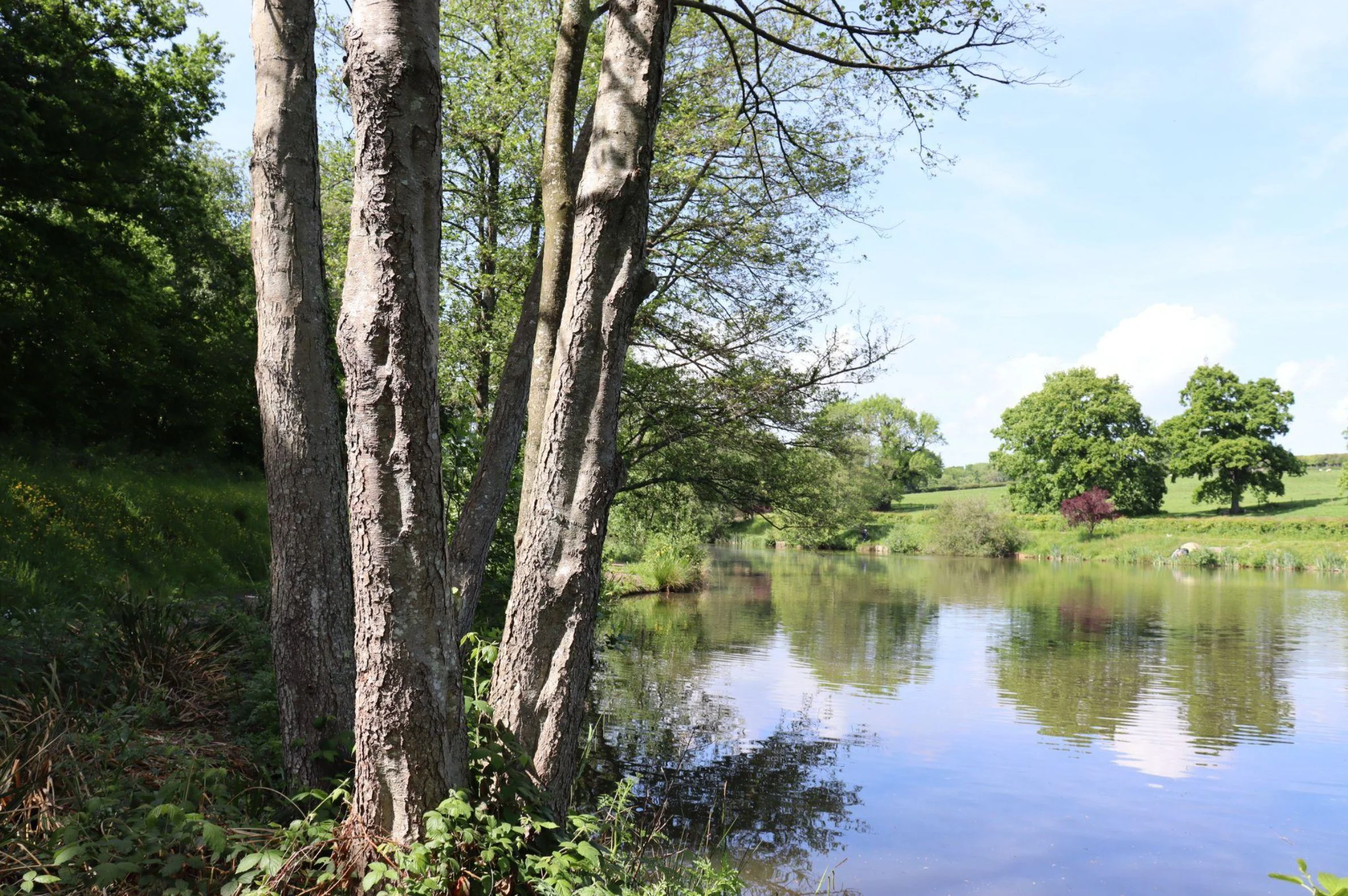
Furnace Brook sits at the heart of the High Weald, a protected National Landscape shaped by ancient woodland, steep ghyll valleys & historic water systems once powering early ironworking. The brook, lake & streams flowing through the site form the backbone of its ecology, supporting wildlife, nourishing soils & shaping the character of the landscape.
For centuries, the water systems at Furnace Brook supported rich biodiversity. The lake, streams & wetland edges were home to:
Thriving eel populations
Freshwater mussels & oysters
Water voles, amphibians & invertebrates
Dragonflies, damselflies & wetland birds
Rare aquatic plants & mosses
These habitats helped regulate water flow, filtered nutrients, supported pollinators & formed an essential part of the High Weald’s ecological fabric.
A Landscape Shaped by Water
Recent Ecological Damage
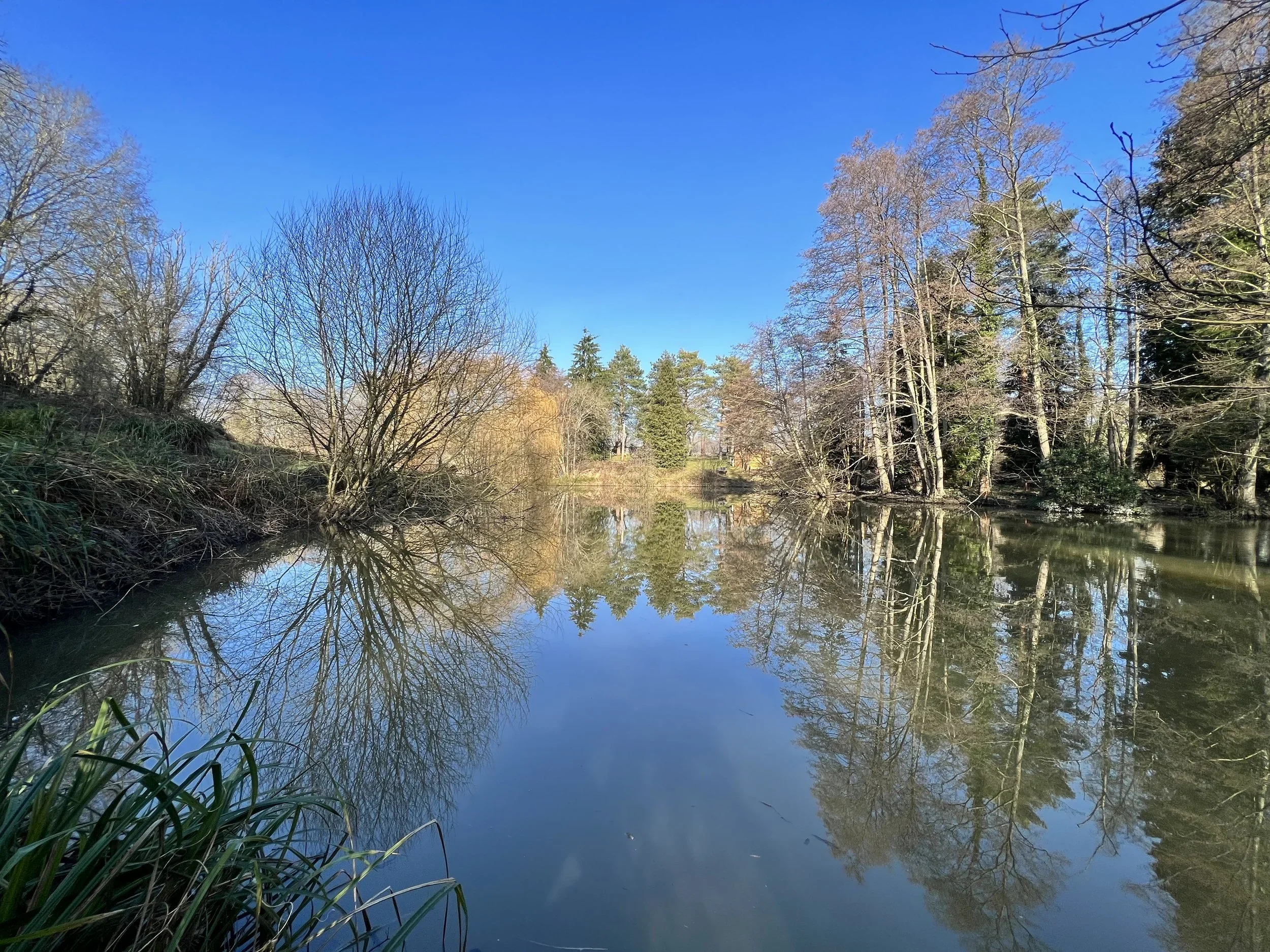
From the summer of 2024, contaminated water from nearby farmland has entered the stream & lake with the pollution spreading rapidly, leading to:
Collapse of aquatic invertebrate populations
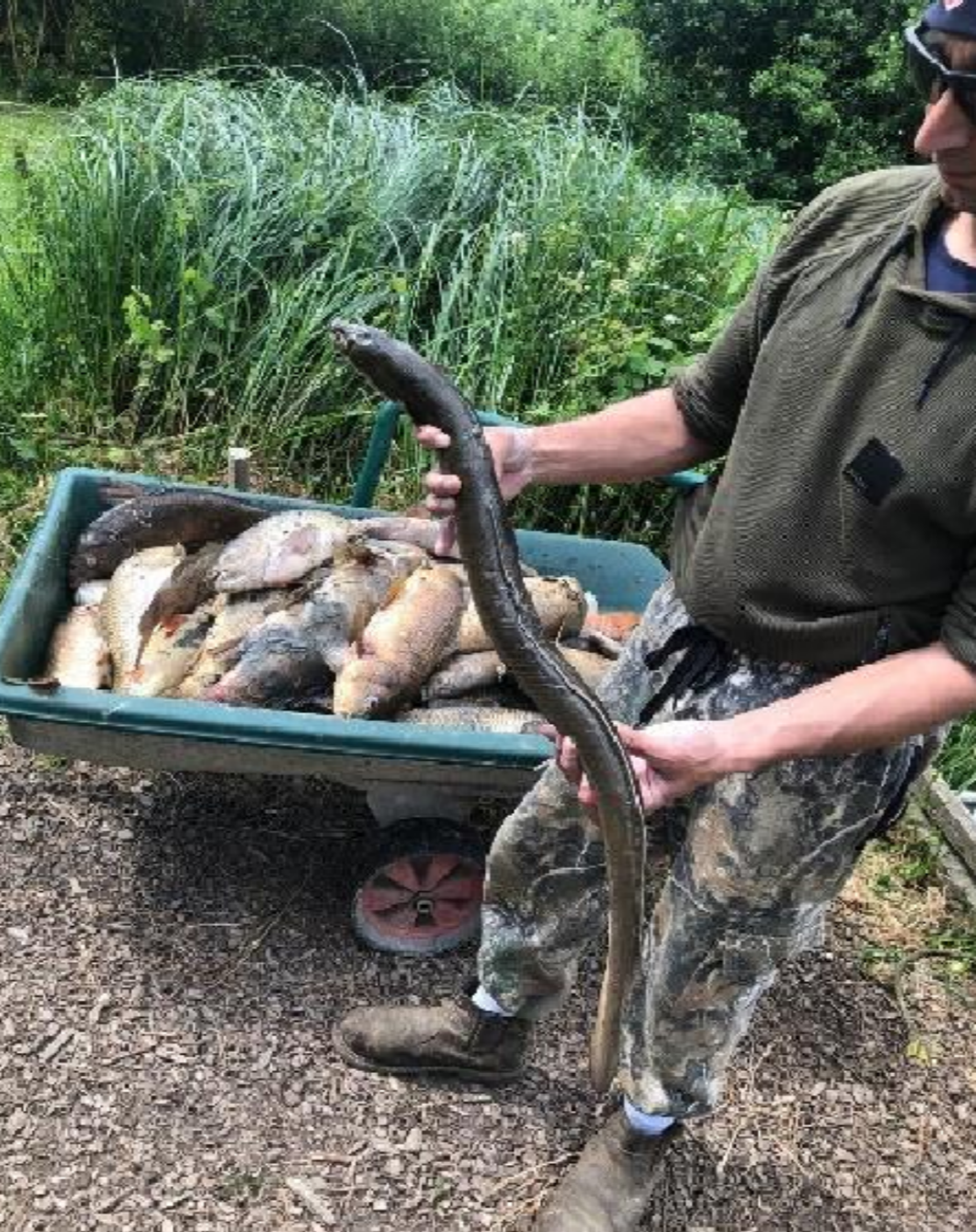
Significant eel mortality
Loss of freshwater mussels & fish
Die-off of aquatic plants & bankside vegetation
Reduced oxygen levels & extreme turbidity
Disruption to downstream ecology
The impact was severe. Species that have thrived for generations have vanished. The lake’s ecological function - its ability to support life - is badly damaged. All aquatic life in the previously healthy woodland stream has gone.
The Restoration Mission
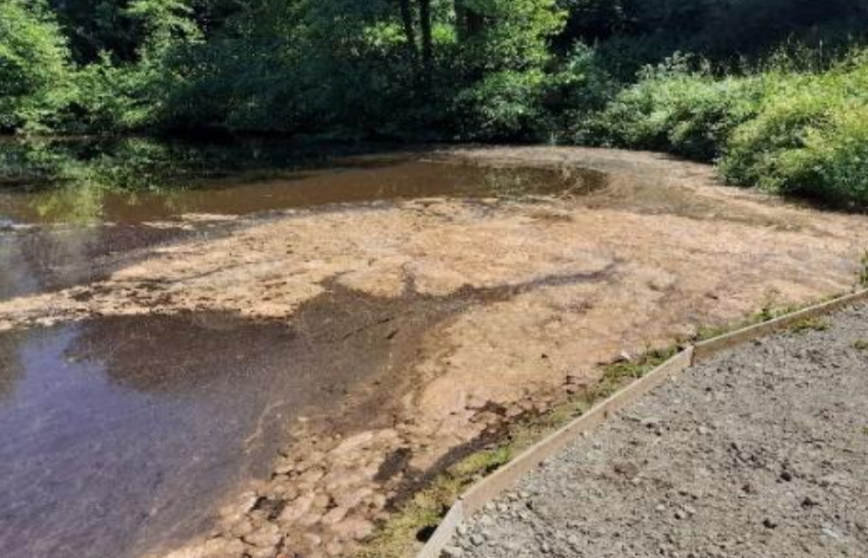
A long-term restoration programme has been launched, with the goal to rebuild a self-sustaining, resilient freshwater ecosystem that supports both biodiversity & community wellbeing.
The plan focuses on four key areas:
1. Restoring Water Quality
Removing pollutants & contaminated sediments where required
Installing natural filtration systems using plants & wetlands
Monitoring pH, turbidity & dissolved oxygen levels
Reducing nutrient loading & agricultural runoff
2. Rebuilding Aquatic & Bankside Habitats
Replanting native reeds, wetland species & marginal plants
Creating shaded refuges for fish & invertebrates
Improving riparian structure with woody debris & living edges
Stabilising banks with native vegetation, not hard engineering
3. Supporting Wildlife Return
Encouraging the natural recolonisation of invertebrates
Restoring eel habitat & migratory pathways
Reintroducing native aquatic plants where needed
Creating breeding spaces for amphibians & insects
4. Community Science & Education
Citizen science water-quality monitoring
Workshops on freshwater ecology & restoration
Involving schools in data collection & ecological surveys
Creating clear, accessible reporting on progress
Together, these efforts aim to heal the water systems that define Furnace Brook & support life for decades to come.
Why Aquatic Restoration Matters
Healthy freshwater systems offer benefits that reach far beyond the water’s edge:
Biodiversity: Freshwater habitats support more species per square metre than almost any other ecosystem.
Climate resilience: Wetlands slow floodwaters & store carbon.
Community wellbeing: Water landscapes support mental health, learning & access to nature.
Food production: Healthy hydrology is the foundation of regenerative farming.
Downstream benefits: Clean water supports wider landscapes, farms & wildlife corridors.
Restoring Furnace Brook’s waters is not just an environmental project, it is an investment in the resilience of the entire valley & community.
How You Can Help
Donate to the Aquatic Restoration Fund
Your support - large or small - helps fund habitat restoration, water-quality testing, equipment, plantings & specialist ecological work.
Visit & Volunteer
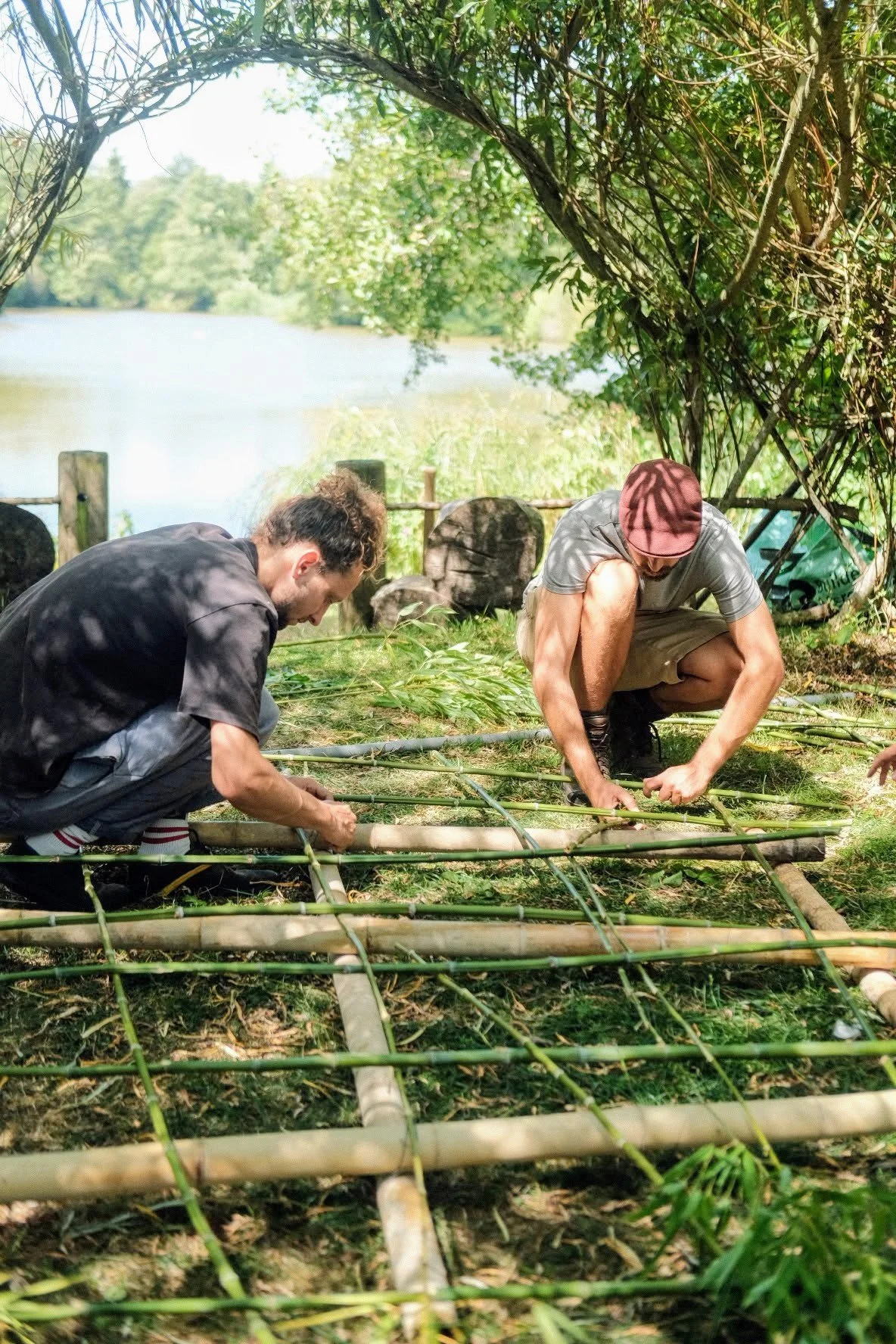
Join our water-testing team, habitat planting days or restoration workshops.
Partner With Us
We welcome collaboration with researchers, ecologists, universities & organisations working in freshwater restoration.
Stay Informed
Sign up for restoration updates, wildlife reports & opportunities to get involved.
Our aim is to transform Furnace Brook into a leading example of freshwater recovery, open, transparent & rooted in community. As the ecosystem heals, we will share results, data & stories so others can learn from the process.
Together, we can help this landscape recover, regenerate & flourish once again.
A Living Laboratory for the Future
Looking for technical details? We're currently finalising a comprehensive scientific document that explores our remediation methodology, testing protocols, and restoration strategies in greater depth. This resource will be available for download here soon.
Fishing
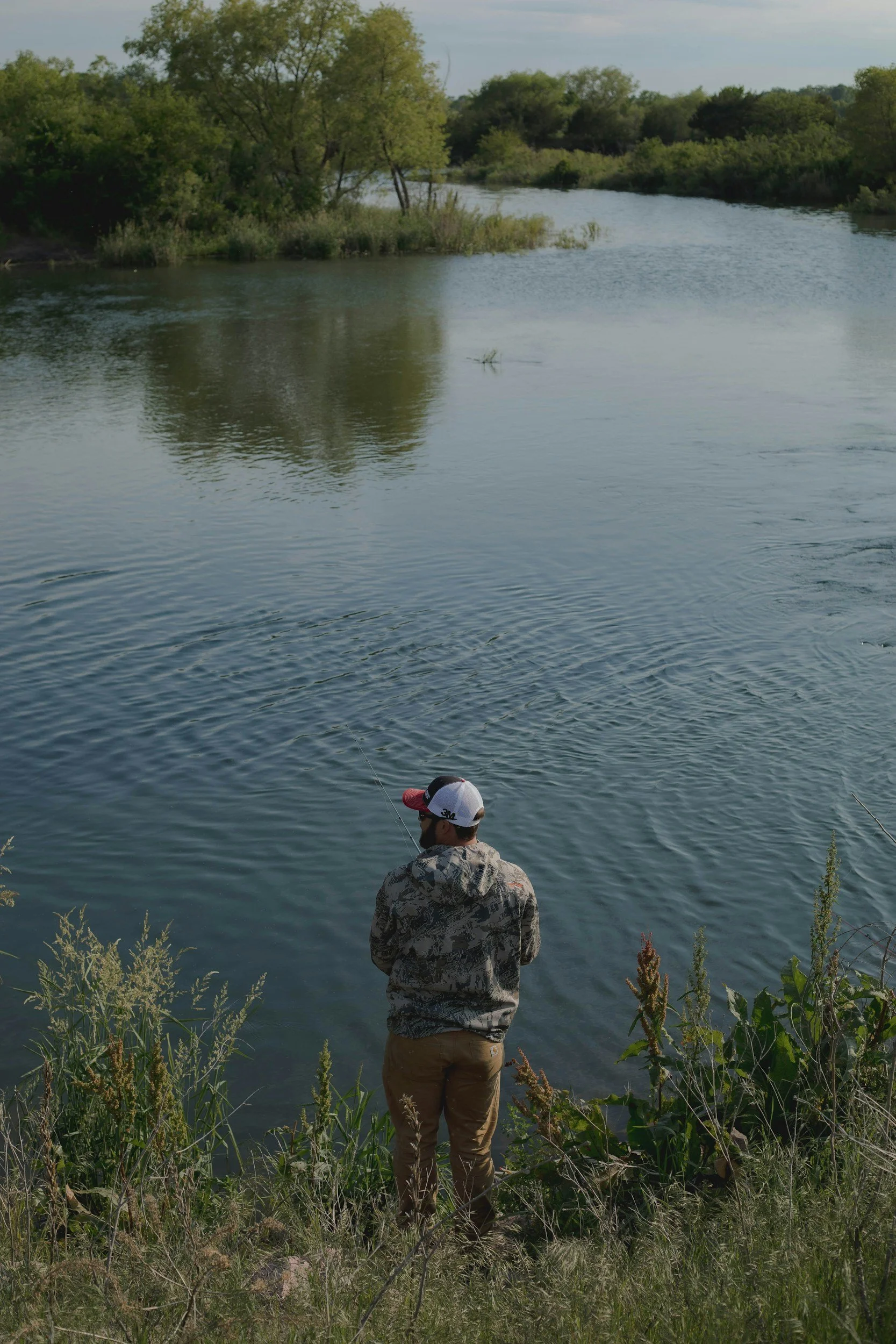
Furnace Brook was for 45 years a popular fishing lake, highly regarded across the angling world. The mortality of all specimen fish in 2024 resulted in the closure of the lake for fishing. It is hoped that, following remediation activities, & subsequent restocking of the lake it may then be possible to welcome back some of the regular Anglers, many of whom have expressed strong emotions of both sadness & anger from witnessing the ecological devastation.